
Vascular access is a cornerstone of modern medical care, critical for administering medications, fluids, and life-saving therapies. However, challenges such as difficult venous anatomy, patient comorbidities, and the risk of complications like infection or thrombosis make vascular access a high-stakes procedure. Traditional "blind" techniques often result in multiple attempts, patient discomfort, and delayed care—issues that underscore the need for advanced tools like ultrasound-guided vascular access.
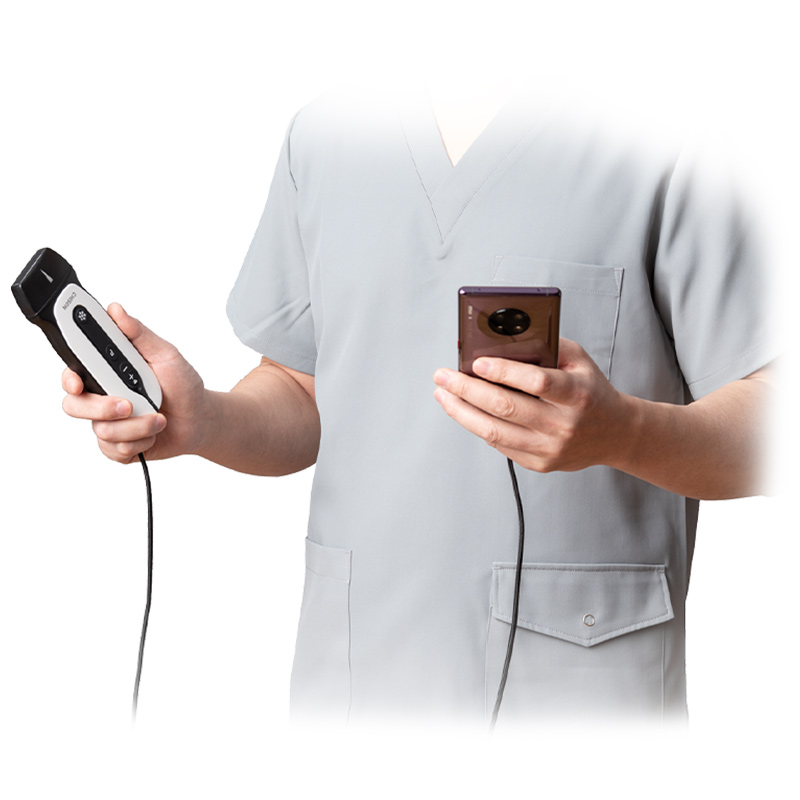
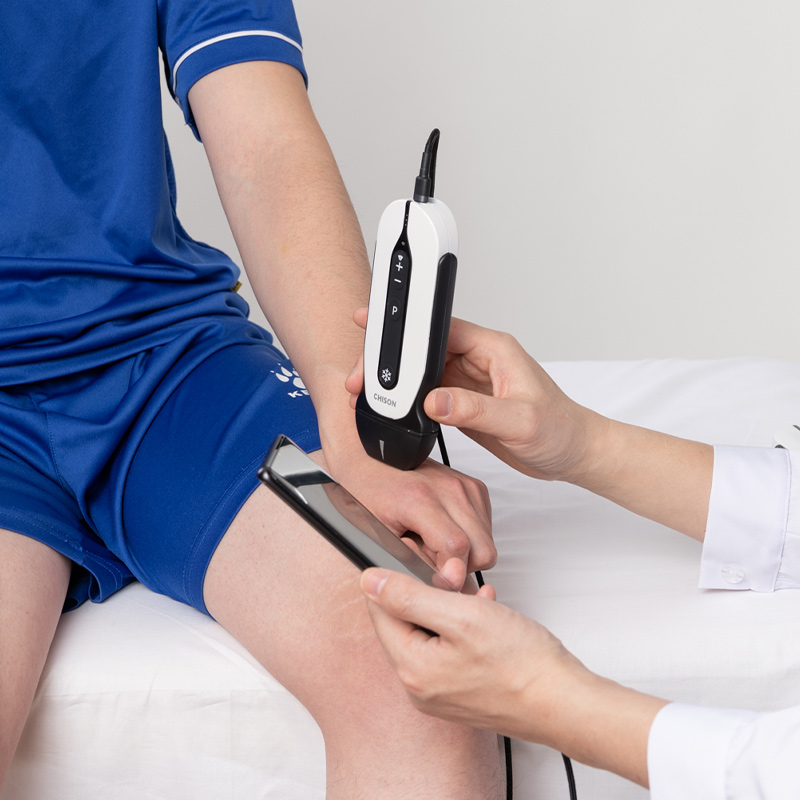
Introducing SonoEye, a cutting-edge handheld ultrasound device designed to empower clinicians with real-time visualization, enabling faster, safer, and more precise catheter placements. This article explores the clinical challenges of vascular access, the transformative role of ultrasound guidance, and how SonoEye addresses these pain points while aligning with evidence-based standards like the 2016 Infusion Nurses Society (INS) guidelines.

Patients with obesity, chronic illness, dehydration, or a history of frequent IV access often present with fragile, collapsed, or deeply located veins. For example:
- Obesity: Subcutaneous fat obscures palpable veins, increasing reliance on guesswork.
- Elderly Patients: Age-related vascular fragility raises the risk of hematoma or infiltration.
- Pediatric or Critically Ill Patients: Limited tolerance for repeated attempts demands first-pass success.

Blind cannulation attempts are associated with:
- High Failure Rates: Up to 40% of peripheral IV placements require multiple sticks.
- Complications: Accidental arterial puncture, nerve injury, or catheter misplacement.
- Delayed Care: Prolonged procedure times impact emergency and ICU workflows.
The 2016 INS guidelines emphasize the use of vascular visualization technologies to improve safety and outcomes. Ultrasound-guided access is no longer optional but a *best practice* for patients with difficult venous access (DVA).
Ultrasound provides real-time imaging of veins, arteries, and surrounding structures, addressing key challenges:
- Visualization: Map vein depth, diameter, and patency.
- Accuracy: Avoid arteries, nerves, or thrombosed vessels.
- Efficiency: Reduce procedure time and staff stress.

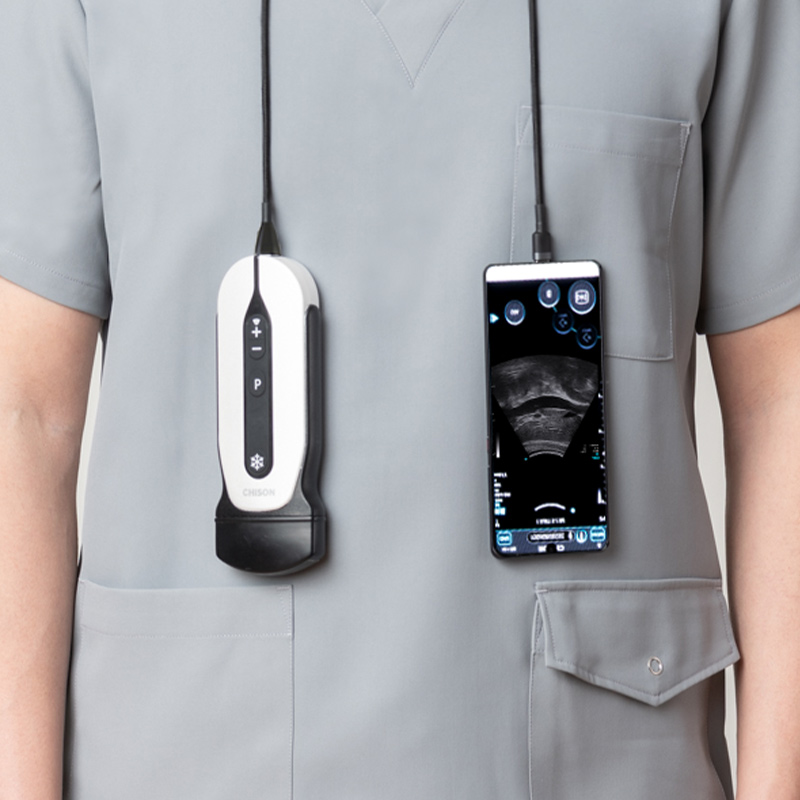
SonoEye redefines vascular access with its compact design, high-resolution imaging, and user-friendly interface. Here's how it elevates clinical practice:
- Real-Time Imaging: Identify optimal veins (e.g., basilic, cephalic) in patients with DVA.
- Depth Measurement: Select catheters of appropriate length to avoid vessel wall damage.
- Case Example: A 2022 study in *The Journal of Emergency Medicine* found ultrasound guidance increased first-attempt success rates from 53% to 88% in obese patients.

- Avoid Critical Structures: SonoEye's high-frequency linear probe differentiates veins from arteries (e.g., distinguishing the brachial artery from adjacent veins).
- Prevent Extravasation: Confirm catheter tip placement in midlines or PICCs to minimize infiltration risks.
- Portability: Bedside, ER, or outpatient use—no need for bulky machines.
- Rapid Setup: SonoEye's one-button operation saves time in time-sensitive scenarios (e.g., sepsis resuscitation).
- Educational Tool: Trainees visualize needle trajectory and vessel compression, accelerating competency.
- Documentation: Save images for procedural audits or patient records.

- Challenging Cases: Use SonoEye to locate veins in edematous or dehydrated patients.
- Midline Catheters: Improve placement accuracy for therapies requiring 1–4 weeks of access.
- Real-time Scanning: Ultrasound guidance can display in real - time the shape, location, and course of veins or other target vessels. This helps medical staff accurately locate blood vessels or lumens, ensuring the smooth insertion of catheters.
- Safety: Reduce pneumothorax and arterial puncture risks.
- Small Vessel Imaging: SonoEye's high-resolution probe visualizes delicate scalp or femoral veins.
A 2021 meta-analysis in *Annals of Internal Medicine* linked ultrasound guidance to 34% lower patient-reported pain scores.
Fewer complications mean shorter hospital stays and reduced resource use.
Meets INS and CDC standards for infection prevention.

In an era where precision and patient-centered care are non-negotiable, SonoEye handheld ultrasound stands out as an indispensable tool. By integrating SonoEye into daily practice, clinicians can:
- Achieve first-pass success in complex cases.
- Minimize complications and patient discomfort.
- Optimize workflow efficiency across care settings.
Ready to transform your vascular access outcomes? Explore SonoEye's full capabilities or schedule a demo today. Join the growing network of clinicians who prioritize safety, efficiency, and excellence.
References
1. Infusion Nurses Society (INS). (2016). *Infusion Therapy Standards of Practice*.
2. Fields, J. M., et al. (2022). *Ultrasound-Guided Peripheral IV Placement in Obese Patients: A Randomized Controlled Trial*. *The Journal of Emergency Medicine*.
3. Gregg, S. C., et al. (2021). *Patient-Centered Outcomes in Ultrasound-Guided Vascular Access: A Systematic Review*. *Annals of Internal Medicine*.